

IrisBG has long been a member of PlantNetwork, participating in the Plant Records Group for many years as well as attending webinars and the 2020 virtual conference. Like PlantNetwork, IrisBG’s story starts in 1996 when the first version of IrisBG was developed by Øyvind Rustan (Compositae AS) in close collaboration with the Botanical Garden, University of Oslo in Norway. The current version, 4.5.4.24041 was released in 2024 and is distributed internationally by the father and daughter team, Øyvind Rustan and Mari Rustan. Today, IrisBG is one of the most comprehensive integrated software solutions available for botanical gardens, arboreta and private estates.
Everyone who is a member of the IrisBG community is welcome to join the Coffee Chats, an informal virtual coffee break for the IrisBG community where you get the opportunity to share experiences and give each other input. Perhaps you are wondering how to tackle a certain issue or you have found a smart way to use IrisBG that may benefit others. IrisBG will be present so questions to us are also welcome. To receive an invitation, sign up to the IrisBG newsletter.
Mercy keeps the hidden machinery of PlantNetwork running. She has the RHS MHort. and an MSc in Ethnobotany. Previous roles have included Conservation Manager at Plant Heritage, Research Assistant at the University of Kent and Team Leader at RBG Kew, Wakehurst Place. Mercy has a National Plant Collection of Chlorophytum comosum cvs. and has opened under the National Gardens Scheme for houseplants. When she is not doing planty things she may be running, cycling, sea-swimming or cat-wrangling.
If you join PlantNetwork Zoom meetings, you will undoubtedly meet her cat, Tiberius.
Emma ensures that every organisational, individual, and student member gets the most out of PlantNetwork. With over a decade of experience in community building and administration, she is the friendly first point of contact for membership queries, the face behind our social media accounts, and manages our job board. Emma is passionate about celebrating our members’ work; she is always looking for the stories, insights, and photographs that showcase the excellence of our industry. When she is not behind a screen, she can be found hiking the hills with her family and friends.
Alison leads a team which provides plant curation, collections and conservation support to all 220+ gardens and parklands within the National Trust. The National Trust holds 28 National Plant Collections plus over 100 other plant collections of historic, cultural and botanic significance. Her areas of responsibility are plant curation and collections management (including identification, verification, research, documentation and standards); plant propagation and nursery management (including oversight of the Plant Conservation Centre); and the development and integration of various plant collections and nursery management systems.
Horticulture and plants are a second career, following 18 years in financial services, from legal paperwork and accounting, through to the management of large IT and process change projects, including policy, system and procedure development, budget management, planning, and risk management.
Mark Brent, DipHort Kew, MCIH, works for the National Trust for Scotland having previously been the Curator and Head of Horticulture at the University of Oxford Botanic Garden.
Mark began his career with the de Rothschild family at Waddesdon Manor, Buckinghamshire before moving to another Rothschild family property; Ascott House in Bedfordshire. Subsequently he has gained more than 35 years of experience working in horticulture, he undertook the Diploma course at the Royal Botanic Gardens, Kew before moving on to work as a Head Gardener in Cornwall where he helped develop Lamorran House Garden in St. Mawes, a frost free terraced hillside garden by the sea which incorporated both Japanese and Italianate themes over a period of 20 years. Latterly he held an appointment as Head Gardener at Walmer Castle (English Heritage) which was the former home of HRH The Queen Mother. During his time the garden underwent an extensive NHLF sponsored improvement program.
Mark has an extensive knowledge of Mediterranean flora and gardens, the warm temperate gardens of the Western British Isles and heritage horticulture.

Natalie gained a MEnvi in Environmental Science from Bangor University before training with the Royal Horticultural Society and Gothenburg Botanic Garden. She then studied for an MSc Plant Conservation at Bangor before starting as Curator in August 2015.
As Curator of the Garden, Natalie has the responsibility for managing the living collections, which comprise over 2000 species. Her key areas of responsibility include planning the future direction of the collections, overseeing the sourcing and documentation of new and diverse species, driving the landscaping and design of the garden and promoting the use of the collections for research and teaching.
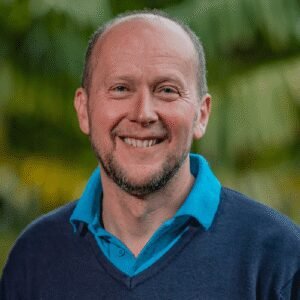
Phil curates the extensive plant collection at Chester Zoo and is responsible for managing and developing the gardens, tropical houses and wider landscape of the zoo. He manages a team of 20 horticulturists. As Chester Zoo’s Mission Statement is ‘Preventing Extinction’, plant conservation is a major focus for the collection, which includes five National Plant Collections of threatened species. Phil and his team are also involved in overseas field work and propagation of native plant species for re-introduction and population reinforcement. The core zoo itself covers 125 acres, and planting is designed to represent key geographical zones from around the world.
Phil has a BSc. (Hons) in Botany and a BLD (Hons) in Landscape Design from Manchester University, and has previously worked as a Landscape Architect, Nature Conservation Officer, and Local Authority Parks Manager.
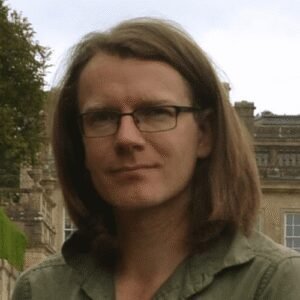
Piers is the Garden and Outdoor Manager for the National Trust in Bath, which covers the management of C17th baroque Dyrham Park, the historic Deer Park, Grade 1 listed Prior Park and the World Heritage Bath Skyline. Piers has worked for the National Trust for over 10 years and managed gardens at Hughenden Manor, Hatchlands Park and Clandon Park. Previously Piers was an ecological consultant in the private sector.
Piers has a BSc (Hons) in Ecology and is a professional member of Arboricultural Association and Chartered Institute of Horticulture.
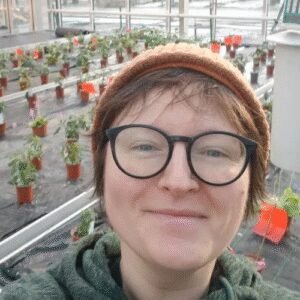
Brie is a Botanical Horticulturist at Kew Gardens, where she has worked for over 6 years now. Based in the iconic Palm House, she is currently helping to prepare the plants for the upcoming major renovation of the building, which will involve moving or propagating every plant. In between the required bodybuilding sessions, Brie enjoys teaching students and inspiring the public to shake off their green fingered fears. Brie has studied horticulture with the RHS, Cambridge Botanics and Kew Gardens and has a BSc in Biology Biodiversity and Conservation and a PgC in Sutainable Agriculture.

Firstly a plantsman, passionate about gardens, gardening and the skills needed to make them succeed. Ben has over 20 years of experience in botanical, heritage and arboricultural collections in the UK, Australia and New Zealand. Specialities: Education, Garden Management Plans, Garden Curation, botanical collections, horticultural training, garden plant surveys, maintenance planning.
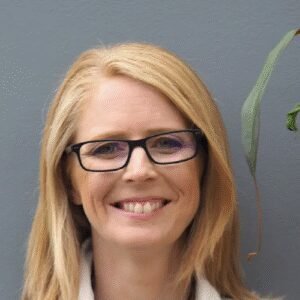
Dr Suzanne Moss is Director of Learning & Public Engagement at the Royal Horticultural Society. She has worked in horticultural education for over ten years with experience from supporting early years schools programmes, through qualifications, apprenticeships and to degree level programmes. After training in horticulture at RHS Wisley, Sue completed a PhD in the history of gardens as scientific collections and a Postdoctoral Fellowship on the same subject at the University of York. She is Vice Chair of the Environmental Horticulture Group, and has sat on the development groups for many qualifications including Apprenticeships and T’Levels. As well as nerding out on horticultural history, Sue also likes writing, building things, gin and dogs.
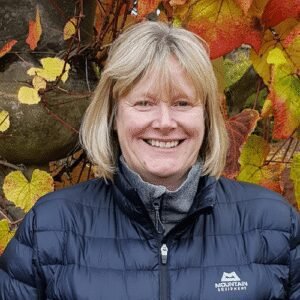
Ann has botanic garden and nursery experience but has spent the majority of her career with the National Trust for Scotland (NTS), beginning as a volunteer at Inverewe Garden, returning later to work her way up to her current lead role as part of the Trust’s Conservation and Policy team. She has worked directly with most of the Trust’s gardens at different times, though with a focus in the west; this led to her becoming the Trust’s plant health and biosecurity lead, following outbreaks of Phytophthora there, and also to becoming a member of the UK Government’s Plant Health Advisory Forum. In 2016 Ann was invited to review the Trust’s gardens and identify priorities for action and investment. This has resulted in a number of significant initiatives for the organisation, the most public one being its pilot Garden Apprenticeship Scheme.
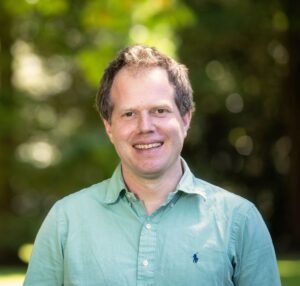
Sam is Professor of Evolution, Curator (Deputy Director) of the Cambridge University Botanic Garden, and Co-Director of the Collections-Connections-Communities Strategic Research Initiative. Sam received 1st Class honours in Plant Science from the University of Edinburgh in 2002. He did his postgraduate research in evolutionary developmental biology at the Florida Museum of Natural History and gained his PhD in 2009 from the University of Florida. Returning to Cambridge, Sam was a Marie Curie Fellow, a Newton Trust Post-Doctoral Fellow, and Bye-Fellow of Girton College between 2009 and 2013. He was awarded a NERC Independent Research Fellowship in 2014. In 2015, he was appointed as a University Teaching Officer in the Department of Plant Sciences and Curator of the Cambridge University Botanic Garden. He holds several appointments outside of his university career. He is a fellow of the Linnean Society and a trustee of the Bedfordshire-Cambridgeshire-Northamptonshire Wildlife Trust.
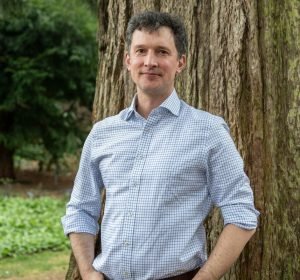
Will is Deputy Curator of the Royal Botanic Garden, Edinburgh. His specialist interest is the conservation and development of plant collections and garden landscapes with a strong focus on improving visitor experience and biodiversity.
Over the past decade, he has been involved in the development of garden areas, collection trips and international consultancy, helping other sites to sustainably develop their collections and management practices.
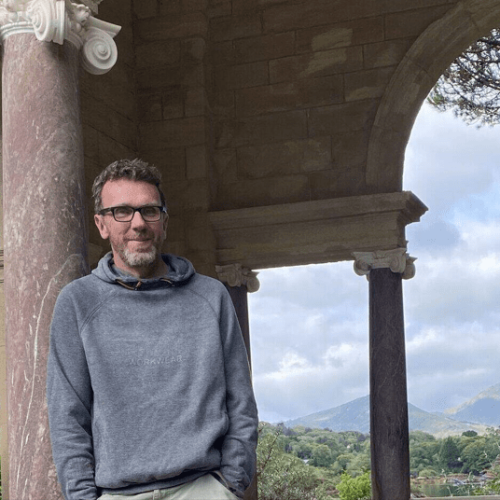
Glyn is currently the Foreperson of Garinish Island in County Cork, Ireland. He has over 30 years’ experience of managing gardens, estates and plant collections in the UK, Ireland and abroad. He is a very experienced plantsman with an extensive knowledge of the cultivation and propagation of temperate plants. He is committed to gardening by organic principles and currently manages Garinish without the use of any inorganic chemicals. He is an experienced project manager and has overseen many restoration and development projects on the estates he has managed. He has a National Diploma in Horticulture, a Kew Diploma (Course 40) and an MSc in Ethnobotany from the University of Kent.
Dan is Curator of Bedgebury National Pinetum and Forest in Kent, where he first arrived as an apprentice over 25 years ago and worked his way up to Curator. He was a National Trust Horticulture Apprenticeship under their careership scheme and an HND in Horticulture,. Most recently, Dan played a key role in shaping Bedgebury's 20-year Landscape Masterplan, developed with The Environment Partnership to guide the future management and development of the site. Over the last 20 years Dan has travelled all over the world undertaking seed collecting expeditions and supporting tree conservation projects.
Matthew is an Irish botanist and taxonomist specialising in the plant genera Squamellaria, Myrmecodia, Hydnophytum, Myrmephytum and Anthorrhiza, as well as the carnivorous plant genus Nepenthes.
Matthew was Chair of PlantNetwork from 2004 – 2015.